- Acupuncture & Skin
Rejuvenation Center351 W Center Street
Holly Springs, NC 27540(919) 481-6777 - Durham Location3708 Lyckan Parkway, Ste 104
Durham, NC 27707919-439-6180 

Health WellNews
Ways for a Healthy Brain
The second week of March is Brain Awareness Week. This is a perfect time to explore ways to keep your noggin working and healthy. Below are easy, simple ways to keep your brain in good shape.
A healthy diet is a healthy mind
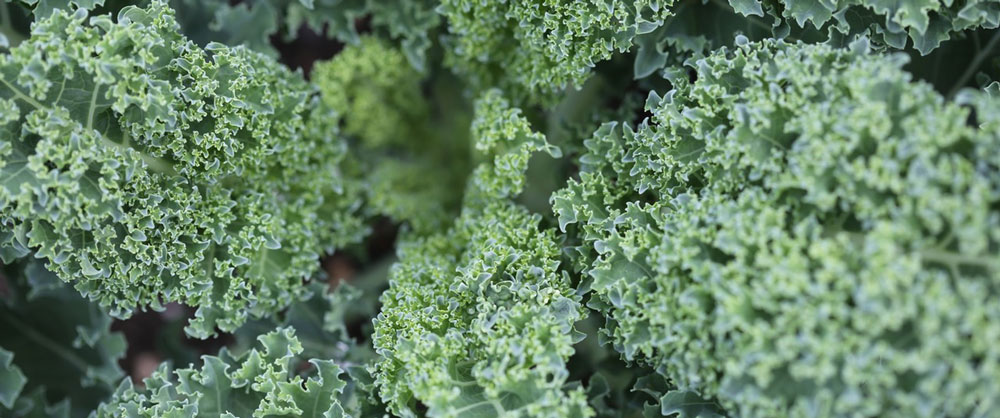
There are many reasons to keep a healthy lifestyle and feed your body with foods that make you feel and perform your best. Diets that are low in saturated fats and cholesterol and higher in omega-3 fatty acids have been shown to promote brain health and protect brain cells. Taking a fish oil supplement with DHA or eating fish such as salmon can help improve brain development at any age. DHA, a type of omega-3, may also help prevent certain neurological disorders. Vitamin E and lutein can also help brain health. Incorporate leafy greens such as spinach and kale into your lunch or dinners.
Keep your brain stimulated
At any age, brain exercises are a great thing to get into the habit of. Keeping your brain stimulated can help retain your memory as you get older as well as your capability to learn new skills. The brain is never done learning. Exercises like reading, crosswords, number problems and games like sudoku can help keep your brain stay active and working. If you find yourself experiencing chronic stress, practice daily meditation for as little as five minutes a day to help reduce inflammation and support immune health, which are both controlled by the same area of the brain.
Socialize
Keeping in touch with friends and family and continuously working on building relationships helps your emotional state as well as your physical health. Surround yourself with people who challenge you, understand you and keep a positive tone. Join organizations or clubs you are interested in and make new connections. Feeling connected to others is always important for your mental wellbeing.
Quit the bad habits
If you smoke, now is never a better time to quit. Consuming an excess in substances such as alcohol, cigarettes and other drugs can lower cognitive processes and decrease overall functioning and health.
Acupuncture
In Traditional Chinese Medicine it is believed that the spleen, kidney and heart organs all impact mental capacity and brain activity. These organs influence memory, concentration and recall. When one of these organs is experiencing deficiency or an imbalance, our brain can not function to its fullest. Acupuncture addresses the organs with specific points on the body to return the body back to balance and health.
Spring Acupuncture Tips to Keep You Healthy, Happy and Flexible
Spring is a happy time. Bunnies hop about. Flowers emerge in long forgotten corners of your garden. The birds return and sing so loudly they wake you in the morning.
This is not a time to be angry.
But according to Traditional Chinese Medicine, being angry is exactly what you can expect if you don’t balance your wood element.
In TCM, spring is represented by the element wood. Wood represents birth and newness, the time for fresh ideas and new starts. Unsurprisingly, its color is green like the fresh growth of spring.
Wood governs your spine, joints, muscles, ligaments and tendons. A wood imbalance can lead to spinal problems, poor flexibility or arthritis. Wood also governs your eyes.
But most important for your mood, wood governs your liver. Your liver is responsible for the smooth flow of Qi (energy) and smooth flowing Qi means health and vitality. The emotion associated with your liver is anger. If your liver is imbalanced your Qi will be disrupted and you’ll be angry.
Healthy (and happy) spring acupuncture practices mean balancing your wood element and caring for your liver.

Healthy Spring Acupuncture Practices
Try these spring acupuncture recommendations, to keep your wood balanced and your liver healthy.
Cleanse. Cleaning your colon releases accumulated toxins, undigested food, parasites and fungi. With a clean colon your digestion is more efficient and your body is healthier.
Detox your liver. Reduce or eliminate alcohol or drugs that are toxic to your liver. Consider a detox that specifically targets your liver. Call me if you need suggestions.
Stretch. Start or recommit to a healthy stretching routine. Try yoga, Tai Chi, Qi Gong, or other exercises that move, loosen and flex your joints.
Exercise your eyes. Massage your face, especially around your eyes. Roll your eyes and move them in figure 8s. Practice focusing on distant objects and then focusing on close objects in quick succession. Put time limits on your computer sessions. These exercises strengthen your eyes and can improve your eyesight.
Control your anger. Create a healthy anger management plan. Journal, meditate or get counseling. Put limits on stressful situations. Find activities that refocus your anger in healthy ways.
Healthy Spring Acupuncture Diet
Follow these tips for a healthy spring diet that supports your liver.
Eat light. Overeating taxes your liver.
Eat greens. Sprouts, wheatgrass, spinach, kale and dandelions are particularly good foods in the spring.
Eat sour? Sour is the flavor associated with spring, however sour flavors are only recommended for certain constitutions. Instead of dousing your greens with vinegar or lemon juice dressings, consult with me to find out what flavors are best for you.
Drink milk thistle tea. Milk thistle detoxes your liver.
Season your food. Pungent spices like basil, fennel, marjoram, rosemary, caraway, dill and bay leaf are excellent for spring cooking—and they taste good.
By keeping your wood balanced and your liver healthy you will be happy. You’ll feel vital, flexible and clear. If you have questions about healthy spring acupuncture practices feel free to call me for recommendations.
Traditional Chinese Medicine and the Season of Winter
The ancient Chinese developed a system of medicine thousands of years ago and that system is still used around the world today. This system incorporates more than just medicine though. Traditional Chinese Medicine practitioners also educate their patients on how the seasons affect the body and ways to stay healthy. This will ultimately lead to a long, healthy life.
Traditional Chinese Medicine teaches that humans should live in harmony with the seasons. According to TCM there are five seasons – winter, spring, summer, late summer and fall. Each season has many associations that help us change our habits allowing for a more balanced mind and body. When these systems were being developed, people were living in harmony with nature. People rose with the sun, ate what was available during the different seasons and they were much more aware of their natural environment. What to wear, when to wake up, when to go to sleep and what activities to engage in were all dependent on the weather and the environment. Because of this, people were capable of staying healthy throughout the year and their immune and organ systems were strong enough to ward off disease.

In this system, the season of winter is a time of repair and rejuvenation. Winter is associated with the kidneys, which hold the body’s fundamental energies. Harmonizing with the seasons will help the body stay healthy and prepared for each succeeding season. Rest is important for revitalizing the kidneys and this is why some animals hibernate during the winter months. Winter is also a really good time to turn inward and do some reflection. This is why practices like tai chi, qi gong and yoga can be very beneficial during the winter season. These practices help us connect to our inner selves, while supporting the kidney energy. These practices help relax the mind and calm our emotions.
Winter is also associated with ears in this system. Our ability to hear is related to the health of our kidneys. The stillness of the winter months allows us to hear the world more clearly and forces us to slow down. The bones are also associated with winter, which means that it is important to tonify and heal any orthopedic problems during these months.
There are many foods that are beneficial to eat during the winter season. These foods should be the ones that naturally grow during this season. Food items like squash, potatoes, root vegetables, winter greens, cabbage, carrots, apples, pears and mushrooms are all examples of things that should be incorporated into the daily diet during the winter months. Also warming foods such as soups and bone broth are highly recommended. There are foods that specifically target and nourish the kidneys too. These foods include black beans, kidney beans, lamb, walnuts, chicken, dark leafy greens and black sesame seeds. It is recommended to cook items for longer periods of time, on lower heat and with less water, as the food should be warming as well as nourishing.
When we align ourselves with the natural processes of life and the seasons, our bodies will adjust and perform optimally, just as they are intended to. This is how we are supposed to live and can quite possibly be why there is so much more disease now than in the past. So to be the healthiest you possible, learning to take cues from the seasons might just be the best suggestion ever.
3 Indicators You Need a Tune-Up
Here is a list of three signs indicating you should immediately come in for an acupuncture tune-up. Both your body and mind will thank you for getting tuned up as soon as possible.
Chronic Back and Neck Pain
If you experience chronic back and neck pain, it is highly recommended to come in and receive acupuncture. Back pain is one of the leading reasons people seek out acupuncture. So if your neck or back are bothering you, it is time you sought out acupuncture.
Trouble Sleeping
Acupuncture is a great cure for those who have trouble sleeping. If you experience restlessness, tiredness or overall fatigue you should try acupuncture. Acupuncture improves the body’s functions and promotes overall health due to the needling of specific acupuncture points on the body. Try acupuncture to improve the sleep problems you are currently experiencing.
Digestive Problems
A healthy digestive system is important to living an active, healthy and worry-free lifestyle. In order to maintain a high-functioning digestive system it is important that the whole body has a smooth and consistent flow of energy. Acupuncture will help regulate this and promote a smooth flow throughout the entire body, in turn alleviating the symptoms of poor digestive function.
Exploring the 24 Hour Qi Clock
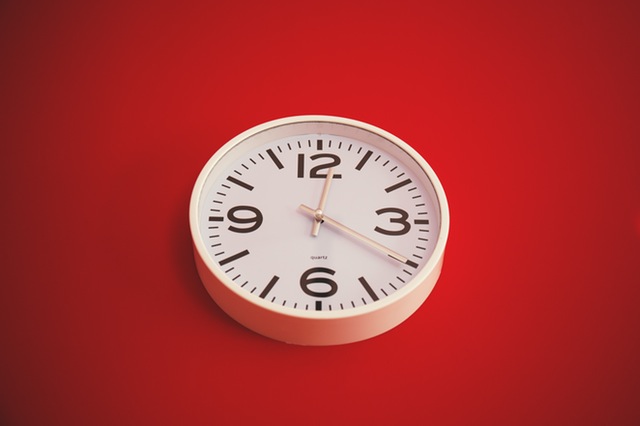 Most people are familiar with the terms diurnal and nocturnal. Diurnal means active during the daytime, while nocturnal means active during the nighttime. Together the two make up a 24-hour cycle known as a day. But, in Traditional Chinese Medicine, this 24-hour cycle is viewed as much more than just a day in the life. The 24 hours of the day are viewed as increments of time and every two-hour section is associated with a specific energetic meridian that runs through the body. This is known as the Qi clock.
Do you wake up every night or every morning about the same time? Have you ever wondered why? Some people call that an internal clock. In Chinese medicine, this gives a much deeper look into how the body functions though. Chinese medical theory divides the body based upon the 12 energetic meridians. Each of the meridians is assigned a two-hour time slot. For example, the liver meridian is associated with the hours of 1 a.m. to 3 a.m. If you wake up during this time frame, then there is an issue with your liver meridian. So knowing this information can be very important to an acupuncturist/Chinese medicine practitioner.
During a 24-hour period, your energy or Qi (pronounced “chee”) moves through the organ systems in two-hour intervals. Qi draws inward to help restore the body between the hours of 1 a.m. and 3 a.m. The liver cleanses the blood and performs other functions, such as getting the blood ready to travel outward into the rest of the body. Over the next 12 hours, Qi cycles through the organs that assimilate, digest and eliminate food through the body or our diurnal organs. By mid-afternoon, the body begins to slow down again in preparation for the nocturnal phase. The nocturnal phase is all about restoring and maintaining. So when one organ system is at its peak, its counterpart, on the opposite side of the clock is at its lowest point. An example is 7 a.m. to 9 a.m., which are the hours of the stomach. This is when the stomach is at its peak and also why it is recommended to eat a big breakfast. On the opposite side of the clock lies the pericardium, which is associated with the pituitary, hypothalamus and reproductive organs. The pericardium is at its weakest point between the hours of 7 a.m. and 9 a.m.
Here’s a brief summary of the 24 hour Qi cycle:
- 3 a.m. to 5 a.m. is Lung time
- 5 a.m. to 7 a.m. is Large Intestine time
- 7 a.m. to 9 a.m. is Stomach time
- 9 a.m. to 11 a.m. is Spleen time
- 11 a.m. to 1 a.m. is Heart time
- 1 p.m. to 3 p.m. is Small Intestine time
- 3 p.m. to 5 p.m. is Urinary Bladder time
- 5 p.m. to 7 p.m. is Kidney time
- 7 p.m. to 9 p.m. is Pericardium time
- 9 p.m. to 11 p.m. is Triple Burner time
(associated with the thyroid and adrenals) - 11 p.m. to 1 a.m. is Gall Bladder time
- 1 a.m. to 3 a.m. is Liver time
So if you have recurring problems at the same time every day, then there is a good chance that the organ/meridian associated with that time is in distress. This is why Traditional Chinese Medicine practitioners ask so many questions and also why they look at the body as a whole instead of just one particular organ. By understanding that every organ/energetic meridian has a maintenance schedule to keep daily, you can then treat your body properly so you achieve the ultimate health and well-being and acupuncture can help you achieve that goal. Acupuncturists treat the body based on things like your symptomology, your pulses, your tongue and the 24-hour Qi clock indications you exhibit. The goal is to bring the body back into balance and knowing when the meridians are at their peaks and valleys is a great place to begin.
Strengthen Your Immune System with TCM
It’s that time of year again…the weather is getting colder, the leaves have fallen off the trees and people are beginning to trickle into the office with autumn colds and allergies. As an acupuncturist, I have to say I rarely get sick. I have lots of tools and tricks in my bag to stay healthy during cold season, and I’m happy to share some of them with you!
You know how your mom always made you wear a scarf when you were a kid, telling you that you’d catch a cold if you didn’t? I used to think she was just saying that, but as it turns out, there was something to it after all! In the world of Chinese medicine, there is an area at the back of the neck which can absorb wind and cold, allowing it to permeate into your system and creating an ideal situation to catch an actual cold. By keeping this area warm and covered, you are putting up a shield between yourself and this invading wind, increasing your chances of avoiding colds.

Since we acupuncturists view cold as an entity that can migrate into your system, adding warm foods into your diet can help to balance out that cold, keeping you healthy or speeding up your recovery once a cold has set in. Eating chicken soup to ward off illness isn’t just a fallacy; the temperature of the soup is helpful, but there are also lots of “warm” ingredients within the soup. Every food has an energetic quality, and warm spicy foods balance out excess cold in the system. Most good chicken soup has garlic, pepper and other spices that are considered “warm” in TCM.
Adding spicy foods into your diet when cold season hits is a way to protect yourself from succumbing to the sniffles. Whenever I begin to feel a cold coming on, I sautée slices of ginger with a little butter or oil, and add it to a tea made with lemon, honey, cinnamon, clove and a dash of cayenne. I let the ginger soften as I drink the tea, and then eat the ginger. This never fails to get me feeling healthy again, if I drink it before the cold settles into my system. It’s also delicious!
Staying warm and eating the right foods are two ways to stay healthy, and another is acupuncture. If you don’t have access to your acupuncturist, the next best thing is to utilize some acupressure points to crank up your immune system. If you slide your finger down the side of your thumb, you will hit a bone just below the wrist crease. Keep sliding down about an inch or so, and press hard while feeling for a tender spot. This is Lung 7, which is a powerful point to build up the energy of the lung, which boosts the immunity. Another great immunity point is Stomach 36. This point is located approximately four fingers down from the bottom of the knee cap, along the outer boundary of the shin bone. This point boosts the energy of the entire body, so massaging it will help to keep your “Wei Qi” up. This Wei Qi is your defensive energy, which creates a barrier between yourself and pathogens that cause harm. In Western terminology, it would be the equivalent of the immune system. Pressing on both of these points will allow you to tap into the positive effects of acupuncture, minus the needles.